

INTRODUCTION
Educational tours can be a powerful tool for helping students to learn and grow. They can provide students with unique opportunities to experience different cultures, to develop their skills and knowledge, and to discover their passions. An educational tour is a trip that is organized for students to learn about a particular subject or field outside of the classroom. Educational tours can be local, national, or international. They can be short-term or long-term. Educational tours are typically organized by schools, colleges, and universities. Educational tours can be a valuable learning experience for students of all ages and from all backgrounds.
It is also important to prepare students for the tour by providing them with information about the destination, the activities they will be participating in, and the behavior that is expected of them. Educational tours can be a rewarding experience for both students and educators. They can provide students with a unique opportunity to learn outside of the classroom and to develop their skills and knowledge in a real-world setting.
Educational tours have many benefits for students. They can help students to:
- Gain a deeper understanding of a particular subject or field.
- Develop critical thinking and problem-solving skills.
- Learn about different cultures and perspectives.
- Improve their communication and teamwork skills.
- Develop a sense of responsibility and independence.
VISION
Educational tours are an important part of a well-rounded education. They can help students to become more informed, engaged, and responsible citizens. By bringing students together from different backgrounds and exposing them to different cultures, educational tours can help break down stereotypes and build bridges between people from all over the world.
MISSION
The mission of educational tours is to provide students with the opportunity to learn outside of the classroom and to develop their skills and knowledge in a real-world setting. Educational tours can also help to promote student engagement and motivation. When students are able to learn about a subject or field that they are interested in, they are more likely to be engaged and motivated to learn. Educational tours can also help students develop a sense of curiosity and wonder about the world around them.
OBJECTIVES
Educational tours can be a valuable learning experience for students of all ages and from all backgrounds. They can help students to develop their skills and knowledge in a real-world setting, and they can also help students to learn more about themselves and the world around them. The objectives of educational tours can vary depending on the specific tour and the students involved. However, some common objectives include:
- Provide students with a deeper understanding of a particular subject or field.
- To develop students’ critical thinking and problem-solving skills.
- To help students learn about different cultures and perspectives.
- To improve students’ communication and teamwork skills.
- To develop students’ sense of responsibility and independence.
- To expose students to new experiences and opportunities.
- To create lasting memories and friendships
PROGRAMME OFFICER’S
|


OUTCOMES
Educational tours can be a valuable learning experience for students of all ages. They can help students develop their knowledge, skills, and attitudes in a variety of ways. Educational tours can be a powerful tool for learning and growth. When planned and executed effectively, they can provide students with a lifetime of memories and experiences. Educational tours can have a number of positive outcomes for students, including:
- Deeper understanding of the subject matter
- Improved critical thinking and problem-solving skills
- Increased cultural awareness and understanding
- Enhanced communication and teamwork skills
- Increased sense of responsibility and independence
RULES AND REGULATIONS
Educational tours are a great way for students to learn outside of the classroom and to develop their skills and knowledge in a real-world setting. However, it is important to have rules and regulations in place to ensure that the tour is safe and enjoyable for everyone involved. Here are some general rules and regulations for educational tours:
- Students must obey the instructions of their tour guide or chaperone at all times.
- Students must be respectful of their surroundings and of the people they meet on the tour.
- Students must be on time for all scheduled activities.
- Students must dress appropriately for the activities that they will be participating in.
- Students must not use drugs or alcohol during the tour.
- Make sure that students understand the consequences of violating the rules.
- All students should be treated equally, regardless of their age, grade level, or social status.
- If a student violates a rule, explain to them why the rule is important and what the consequences will be.
Reports
|

Photo gallery
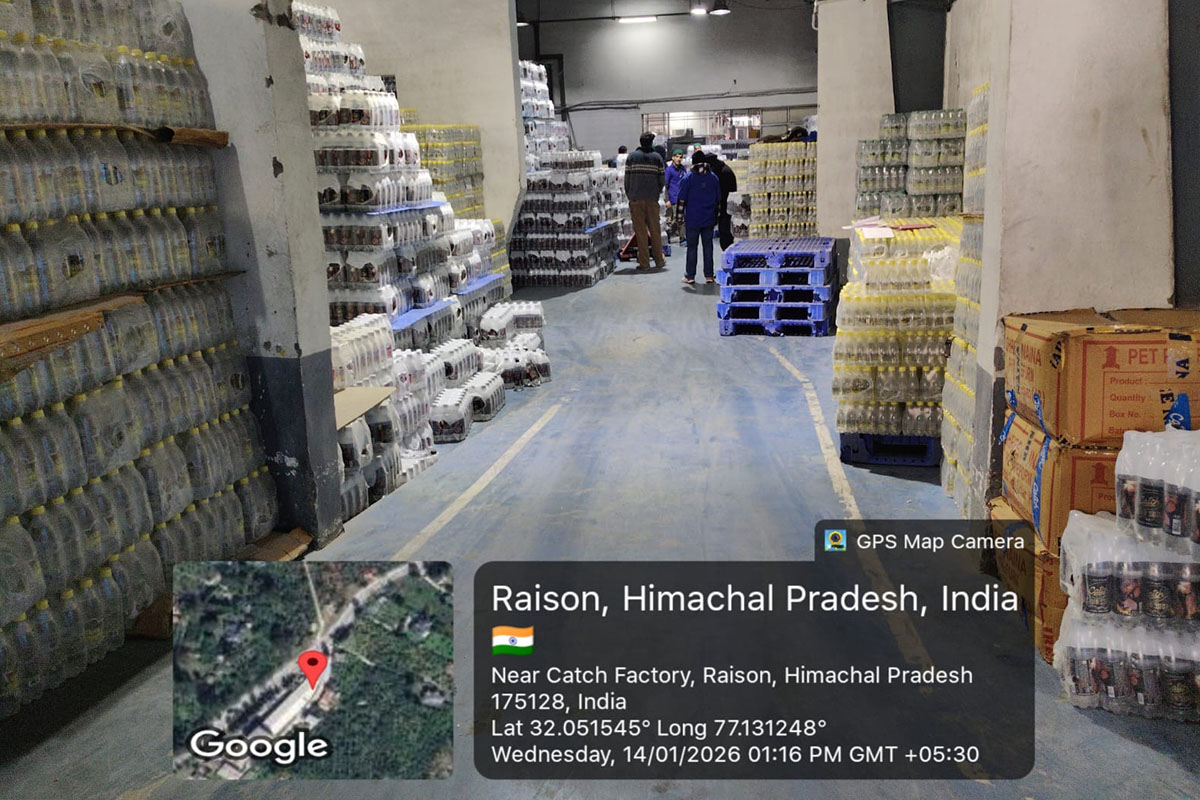
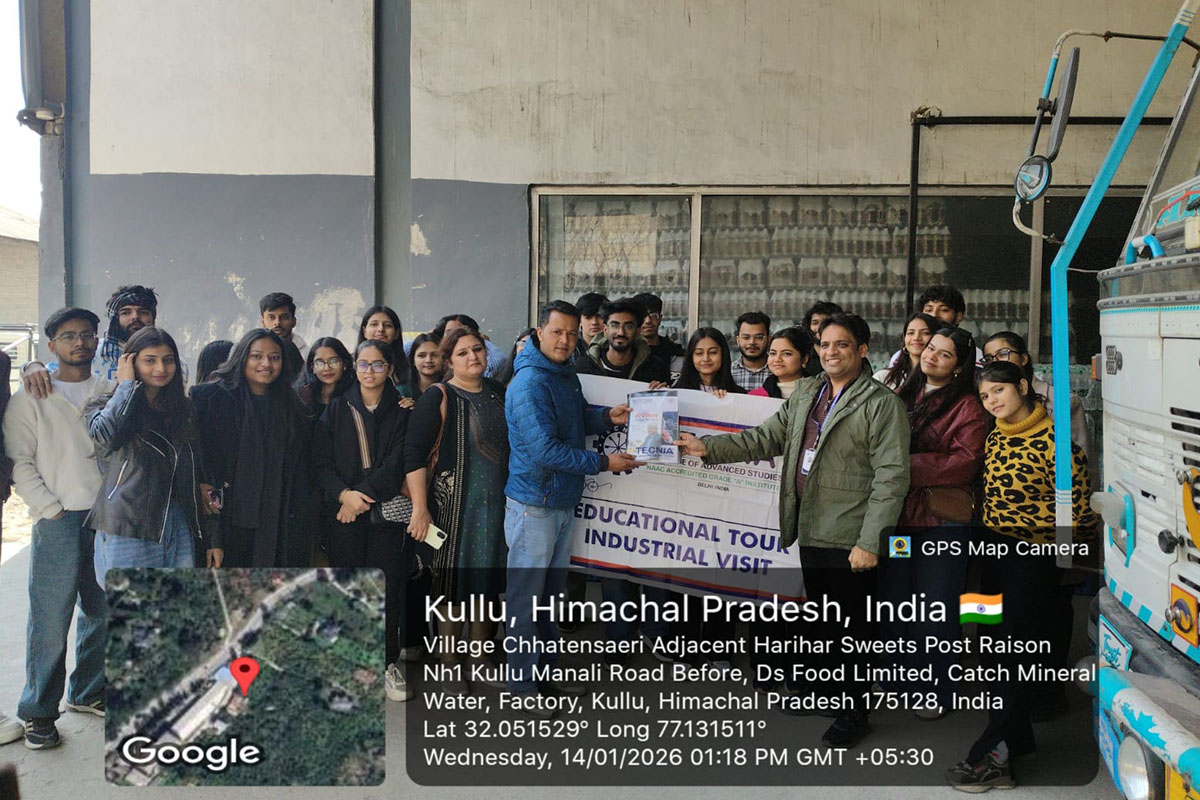
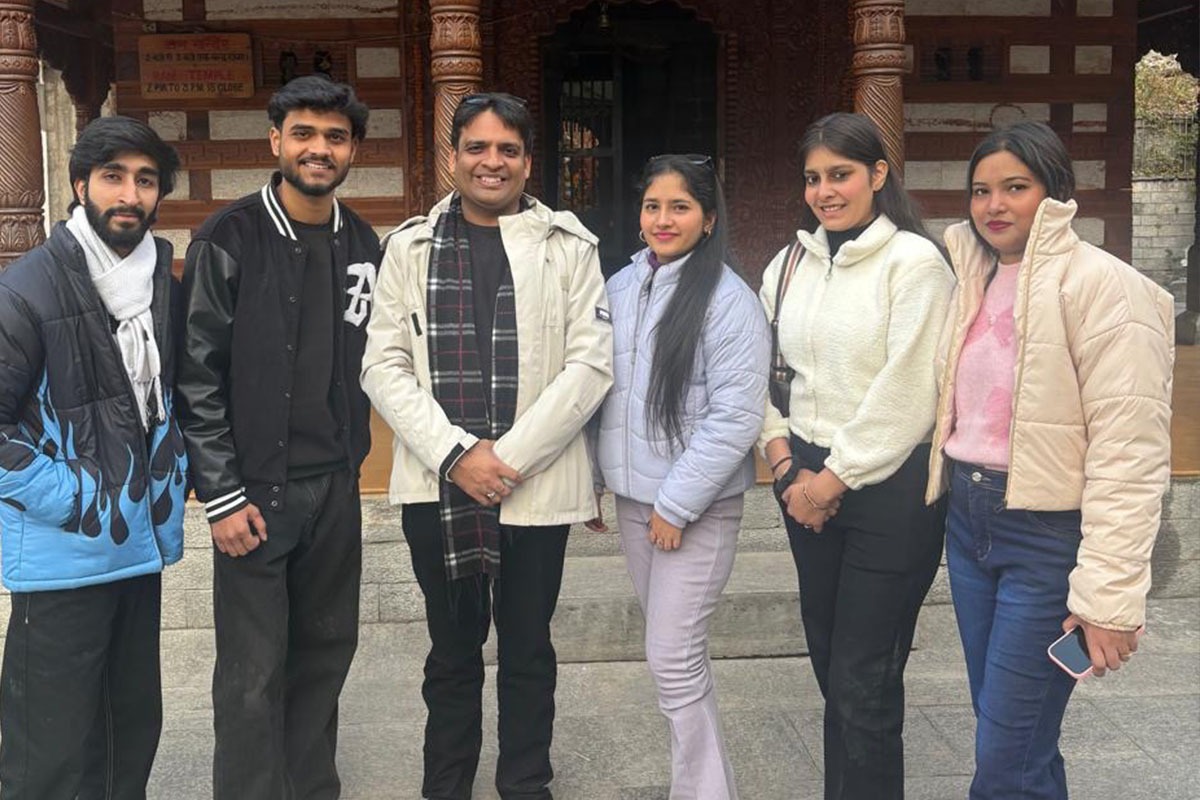
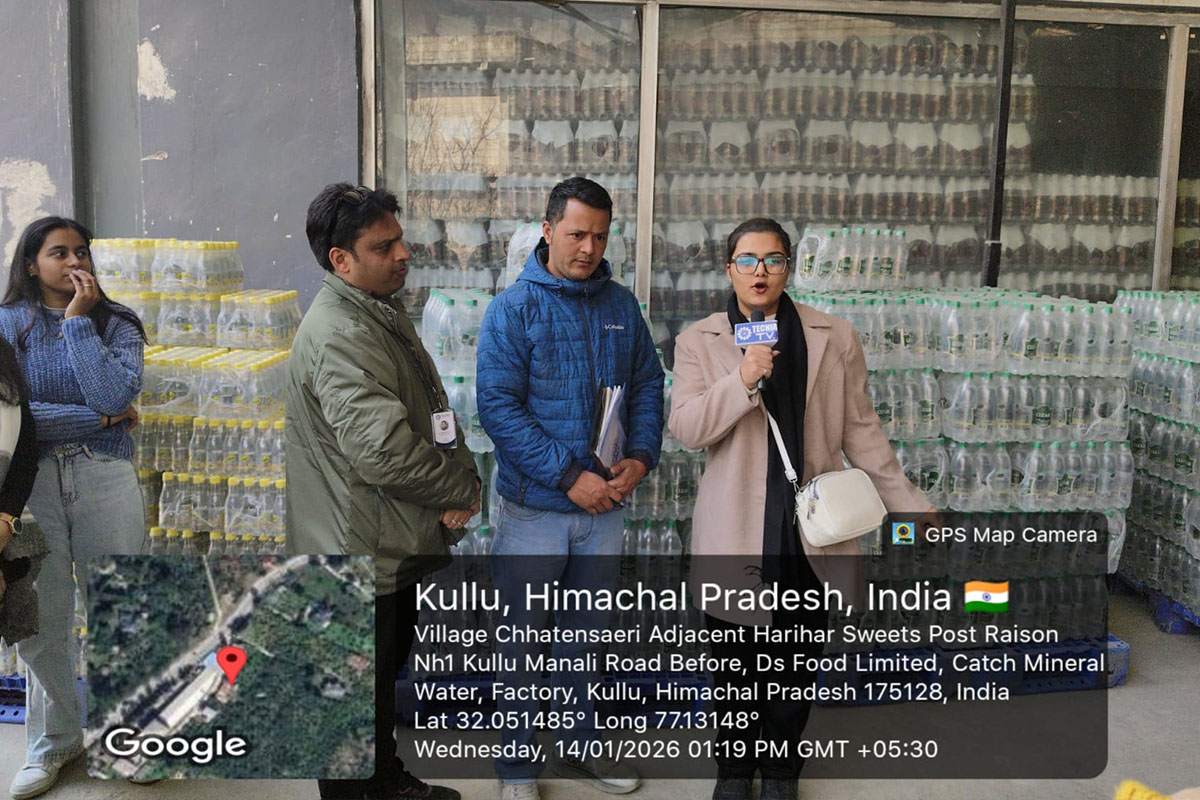
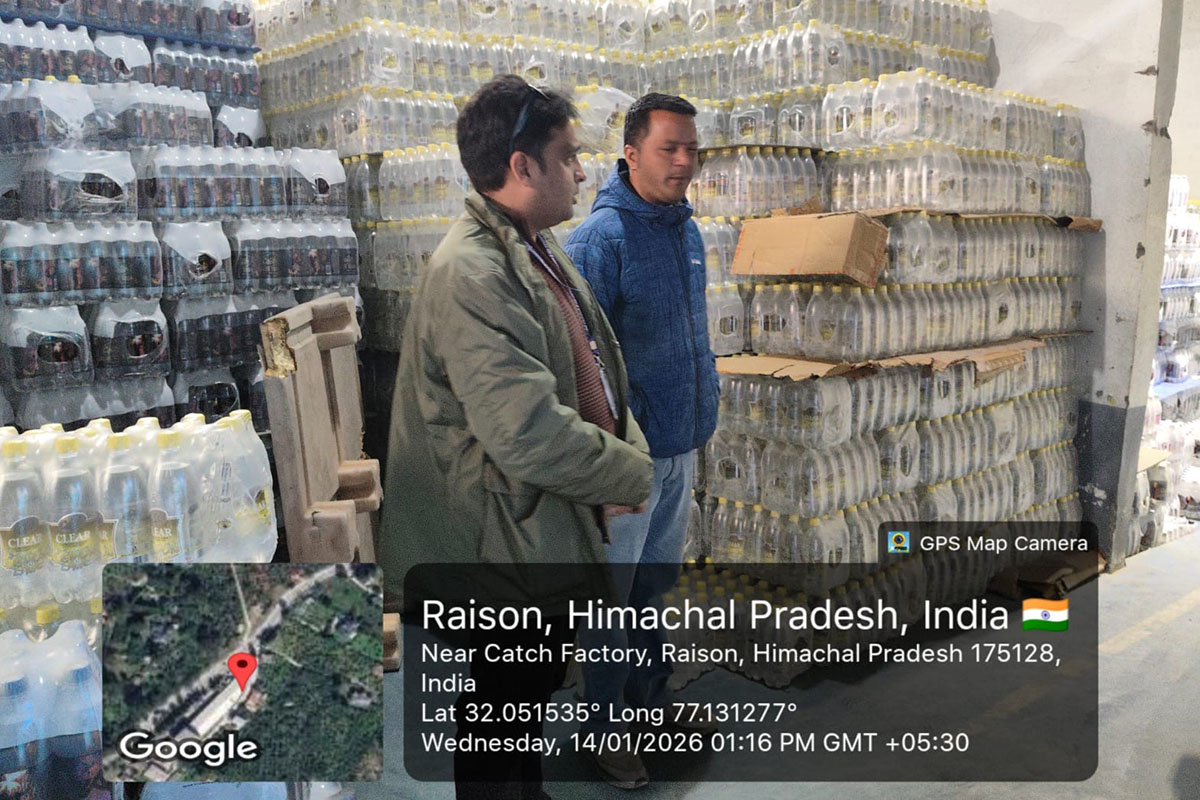
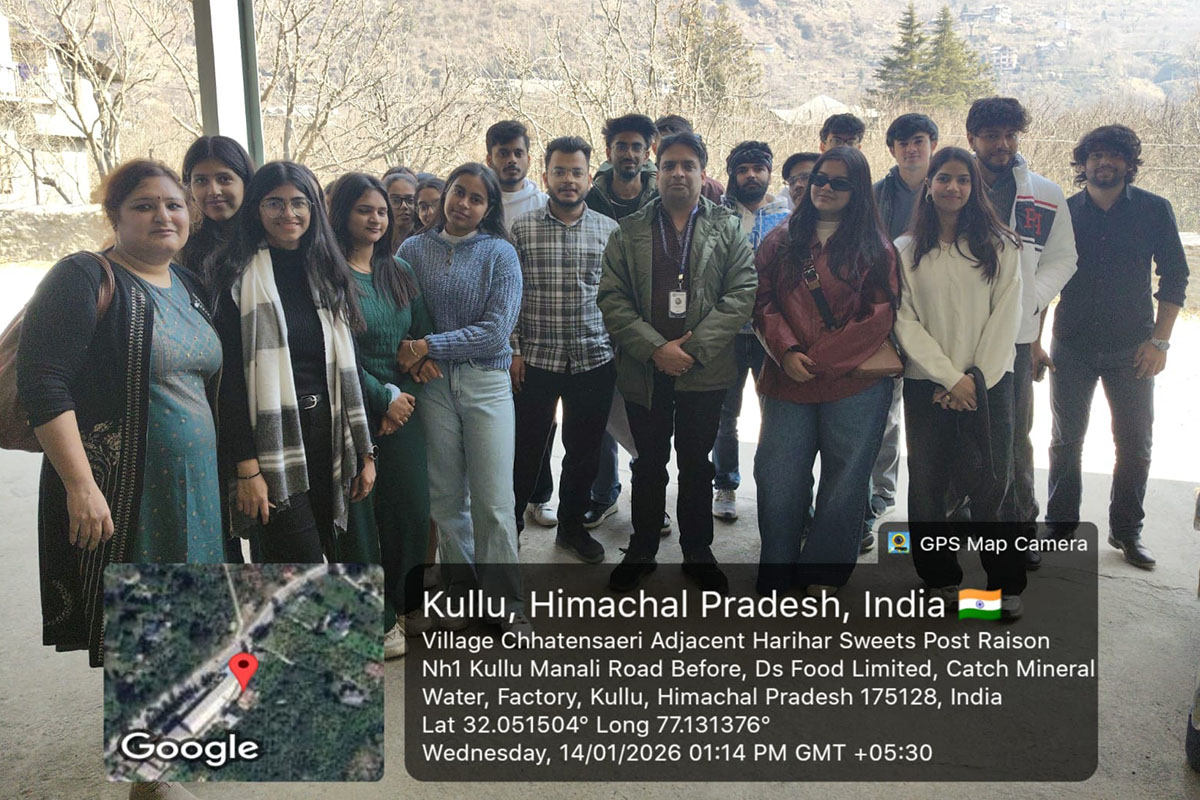
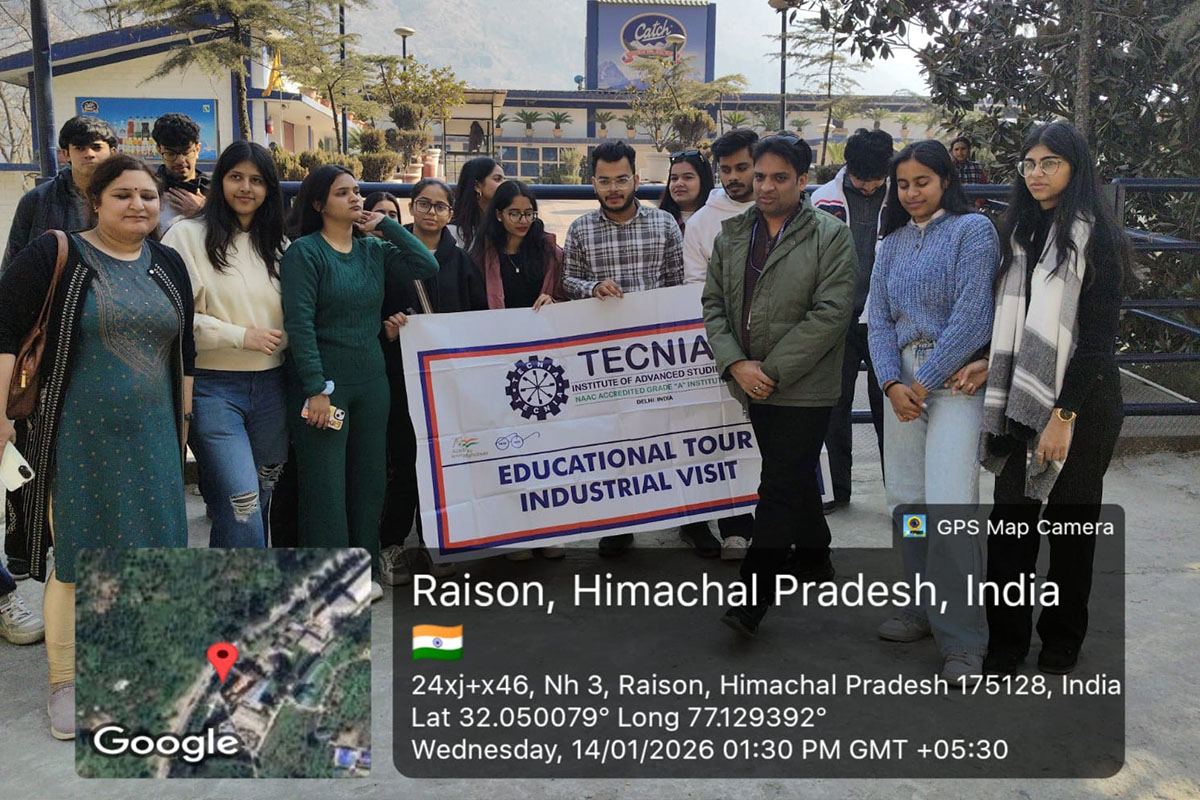
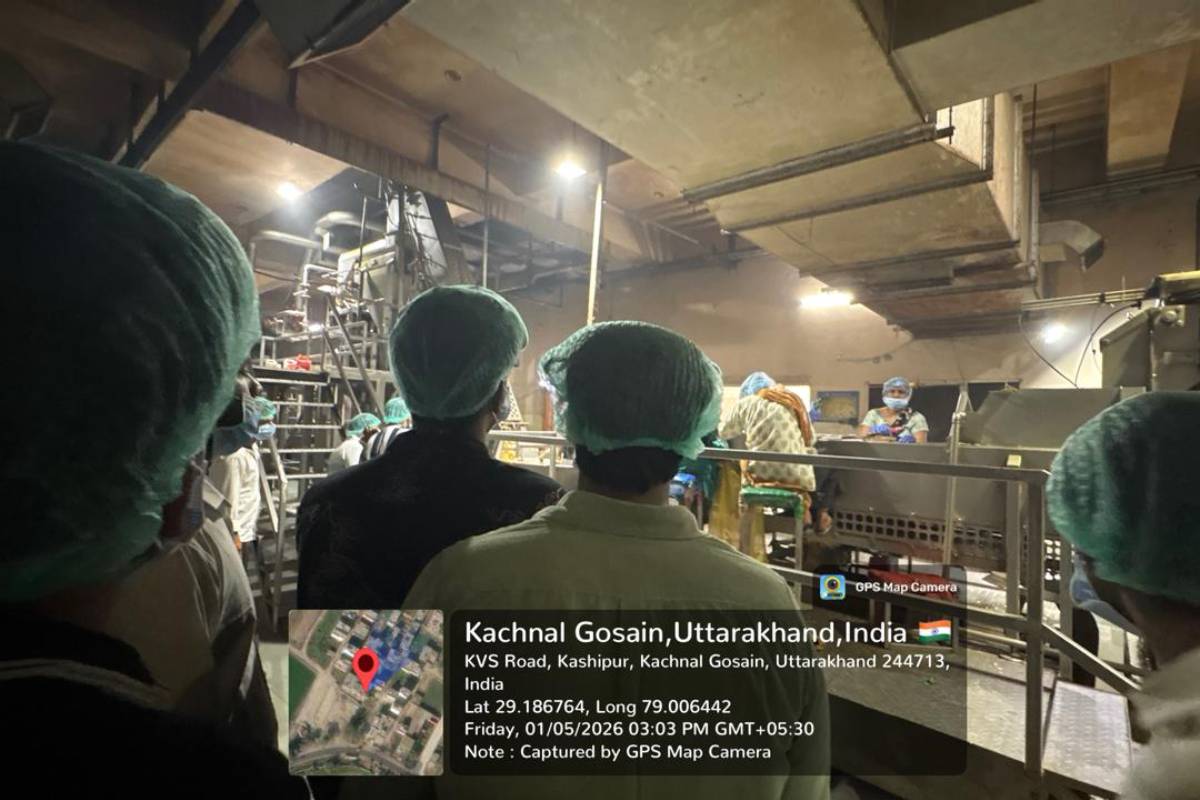
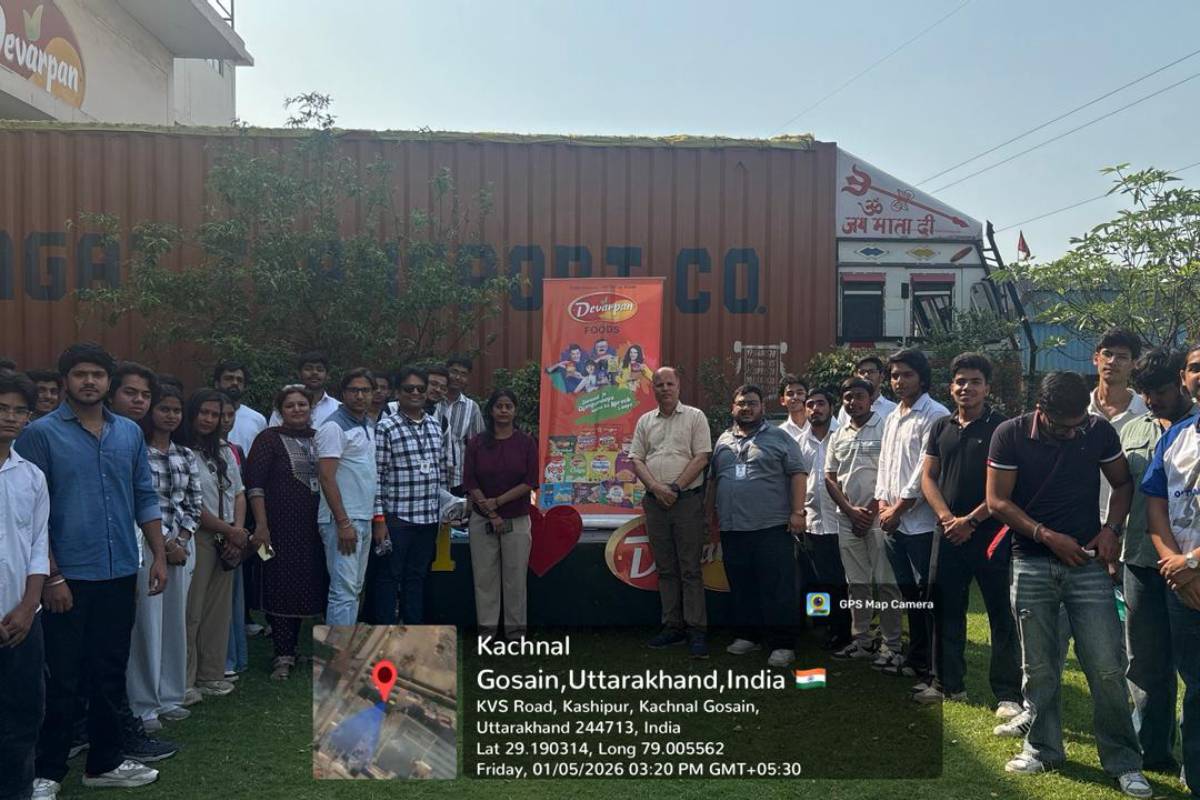
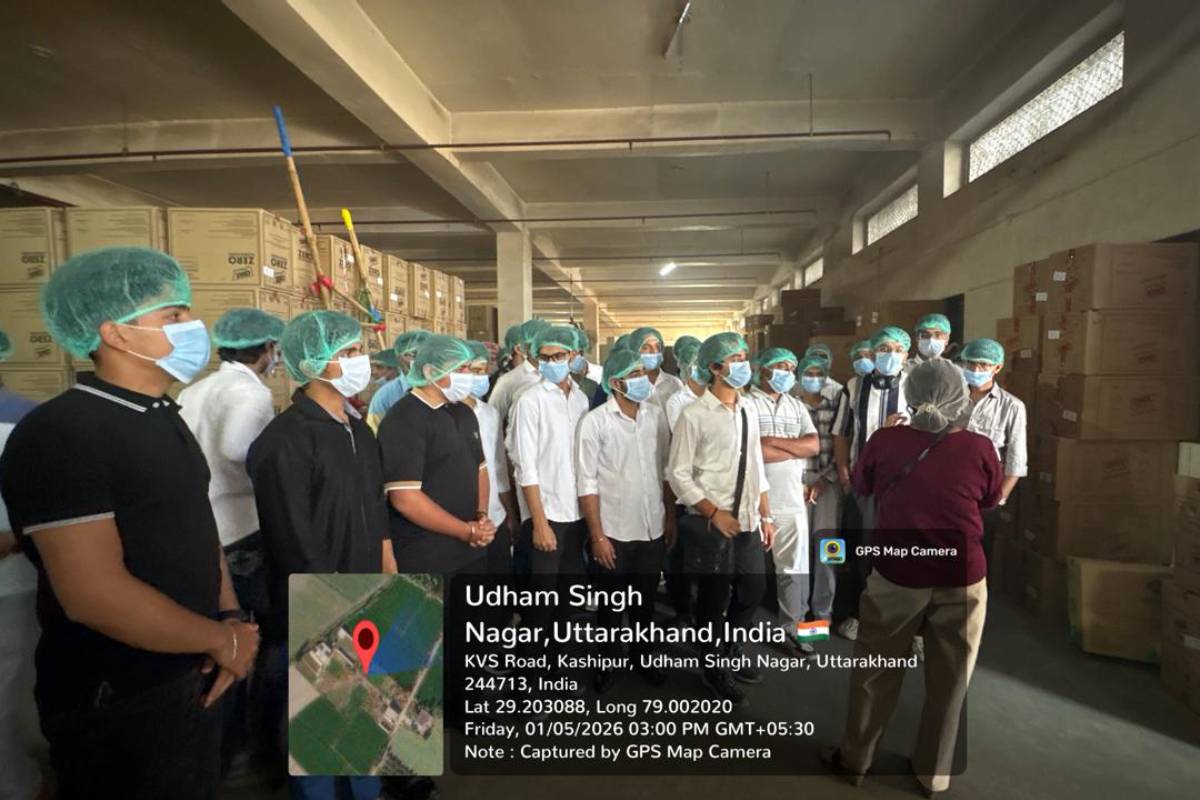
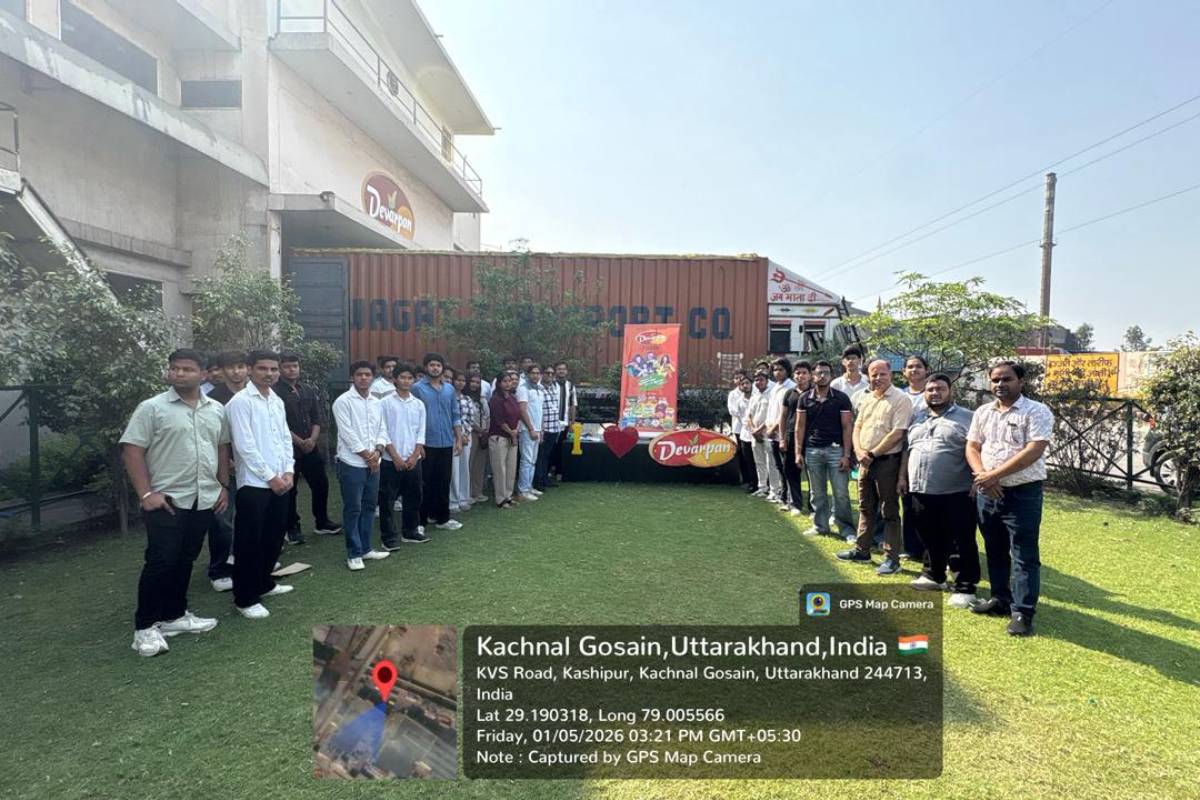
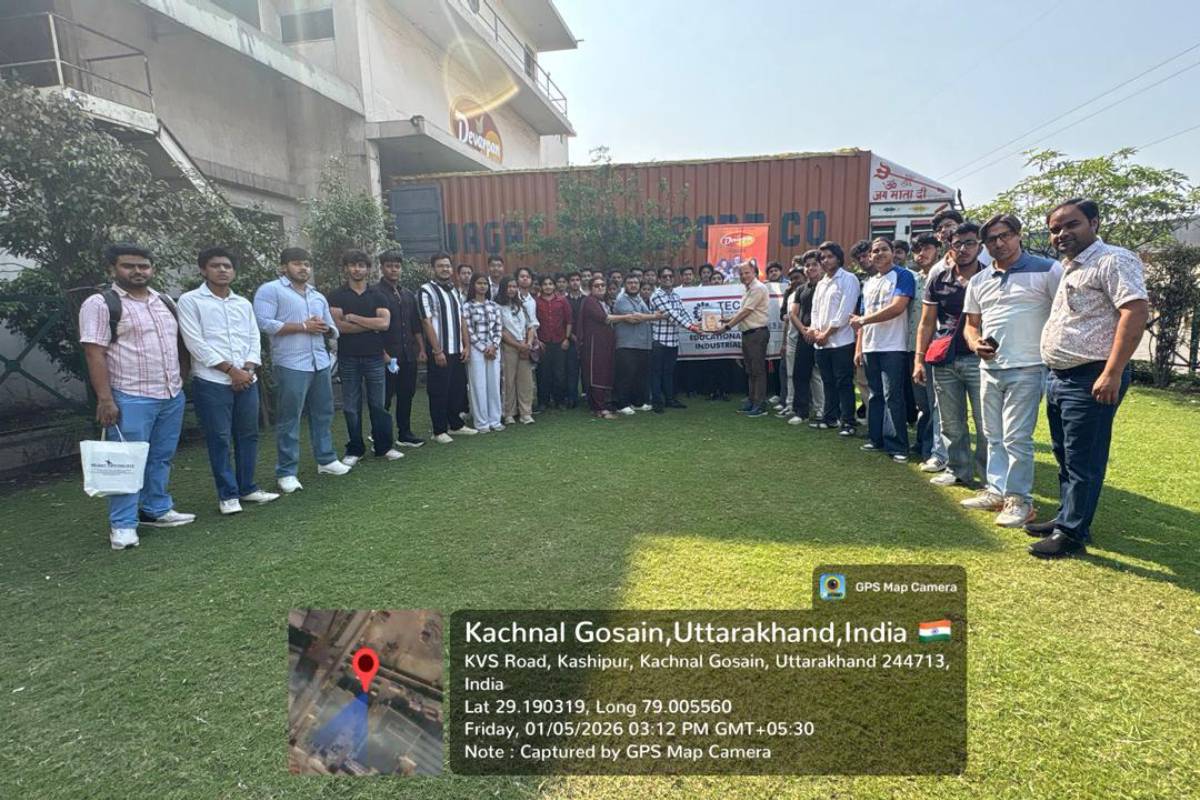
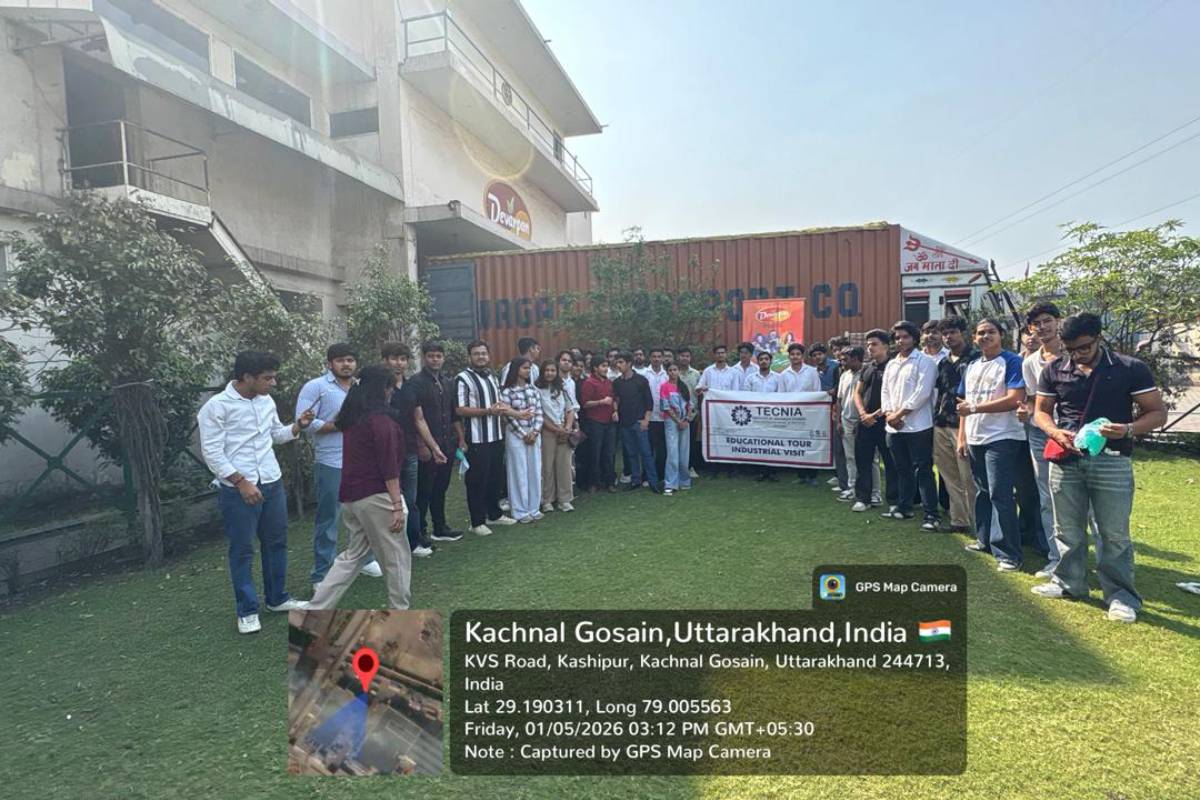
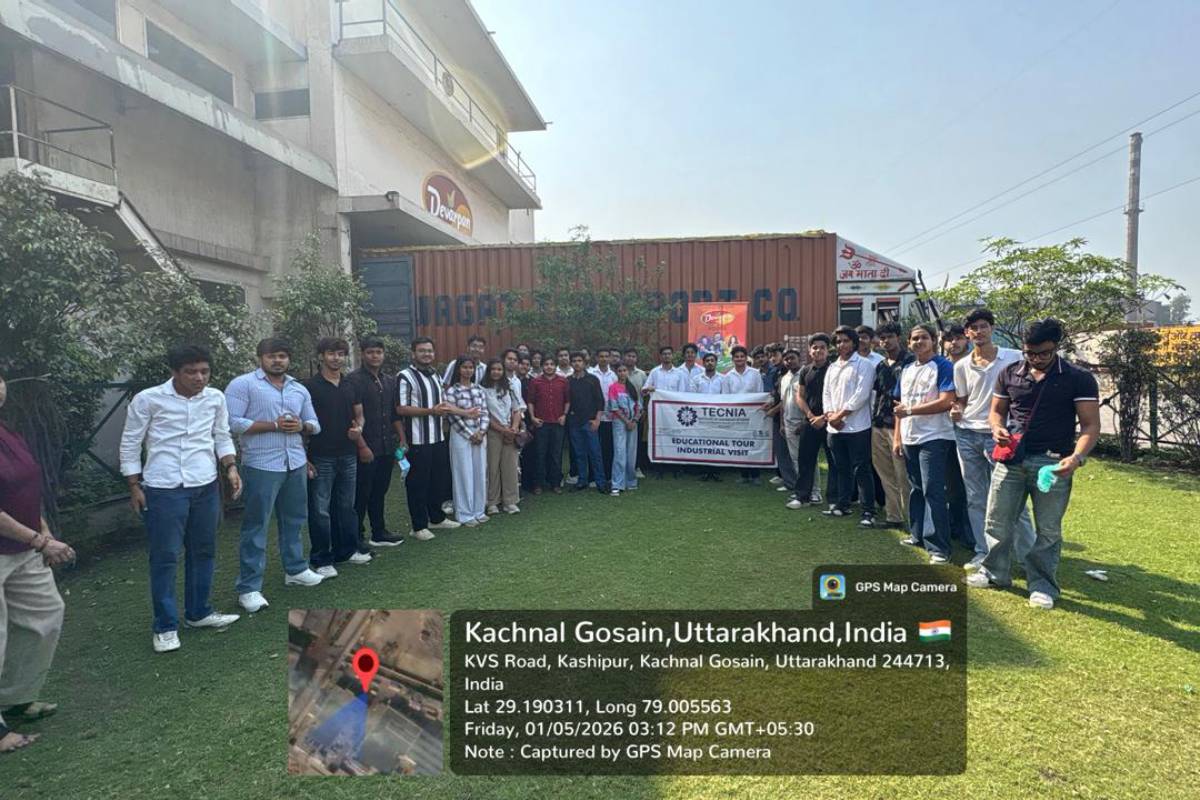
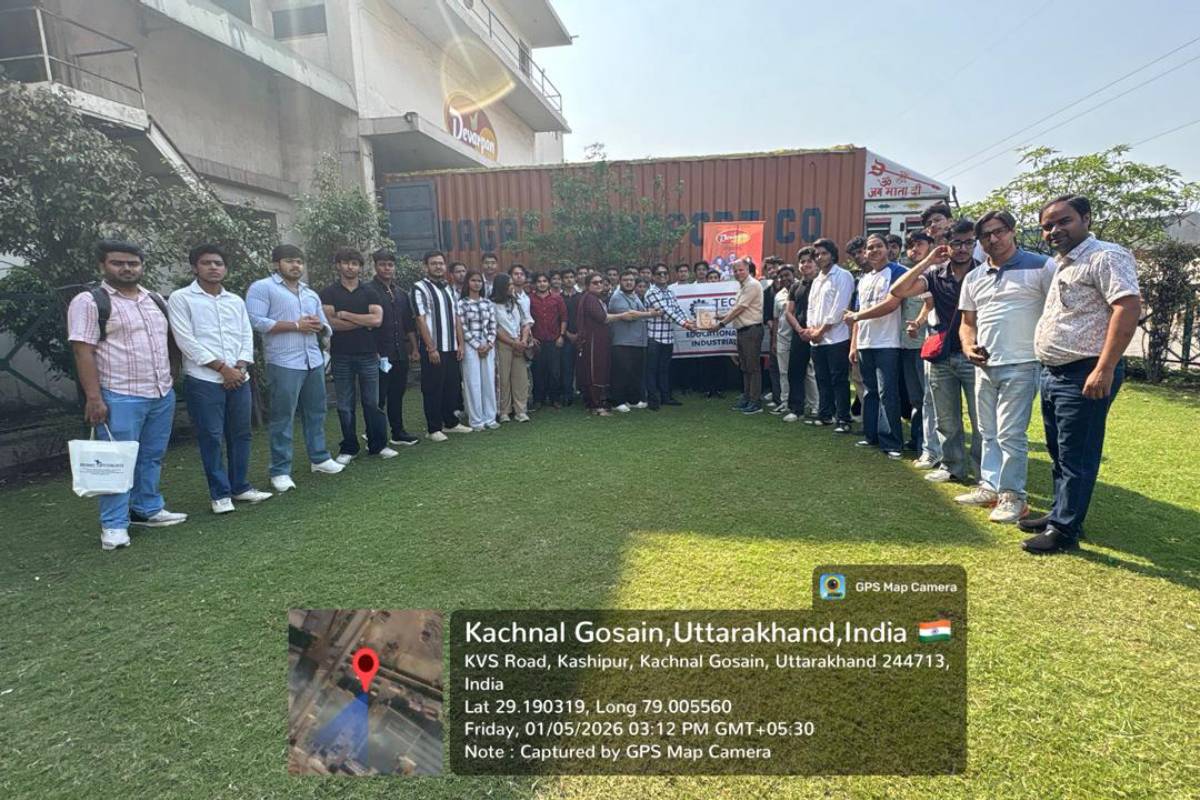
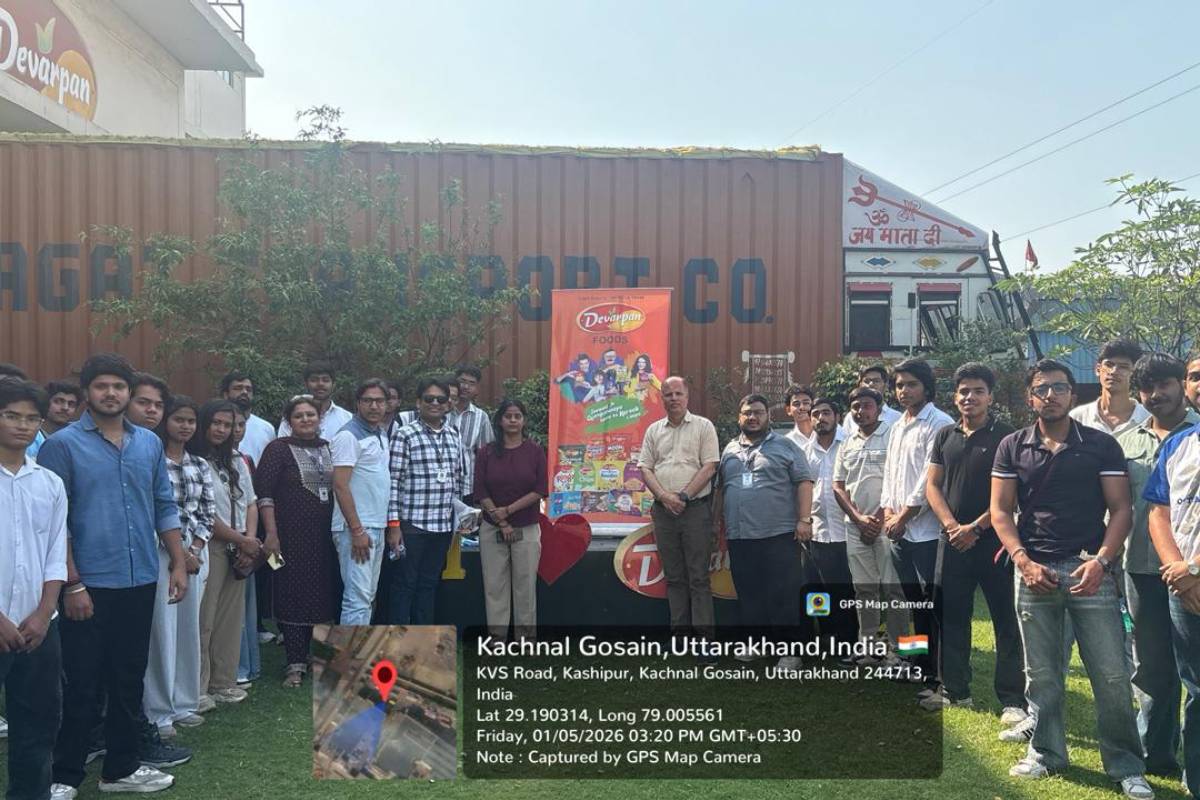
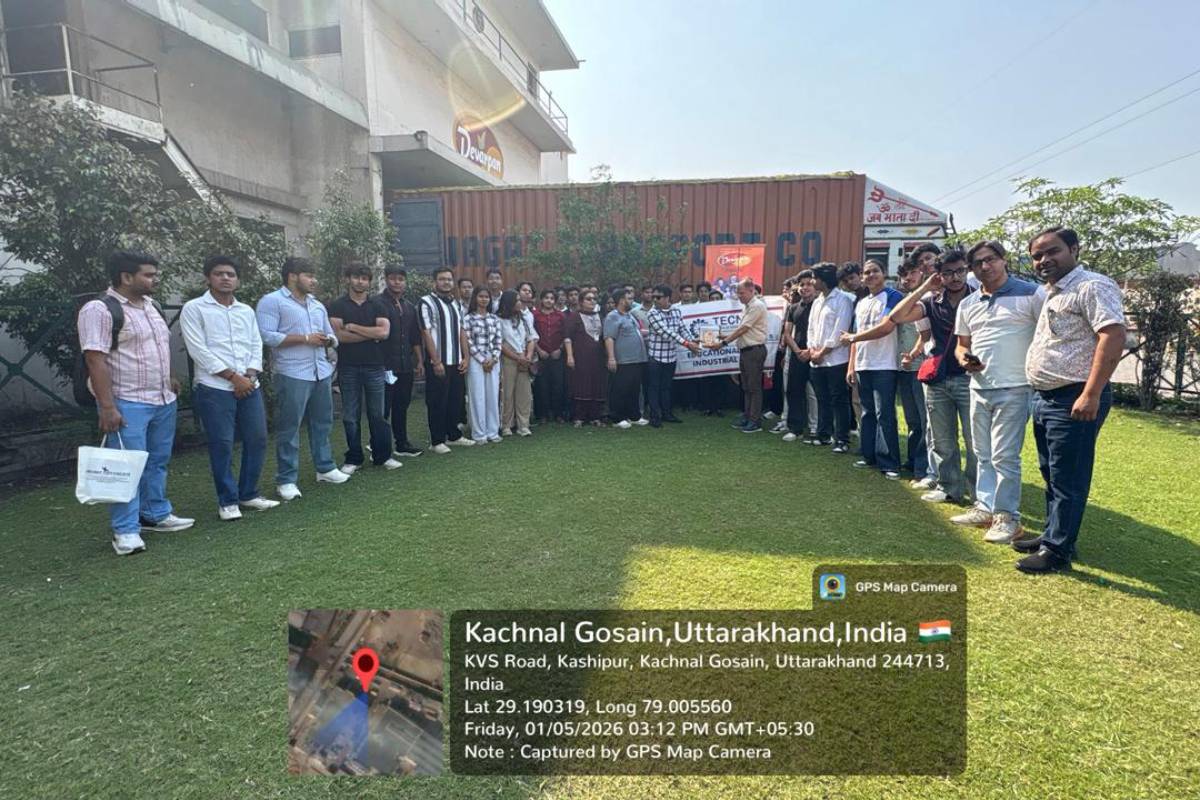
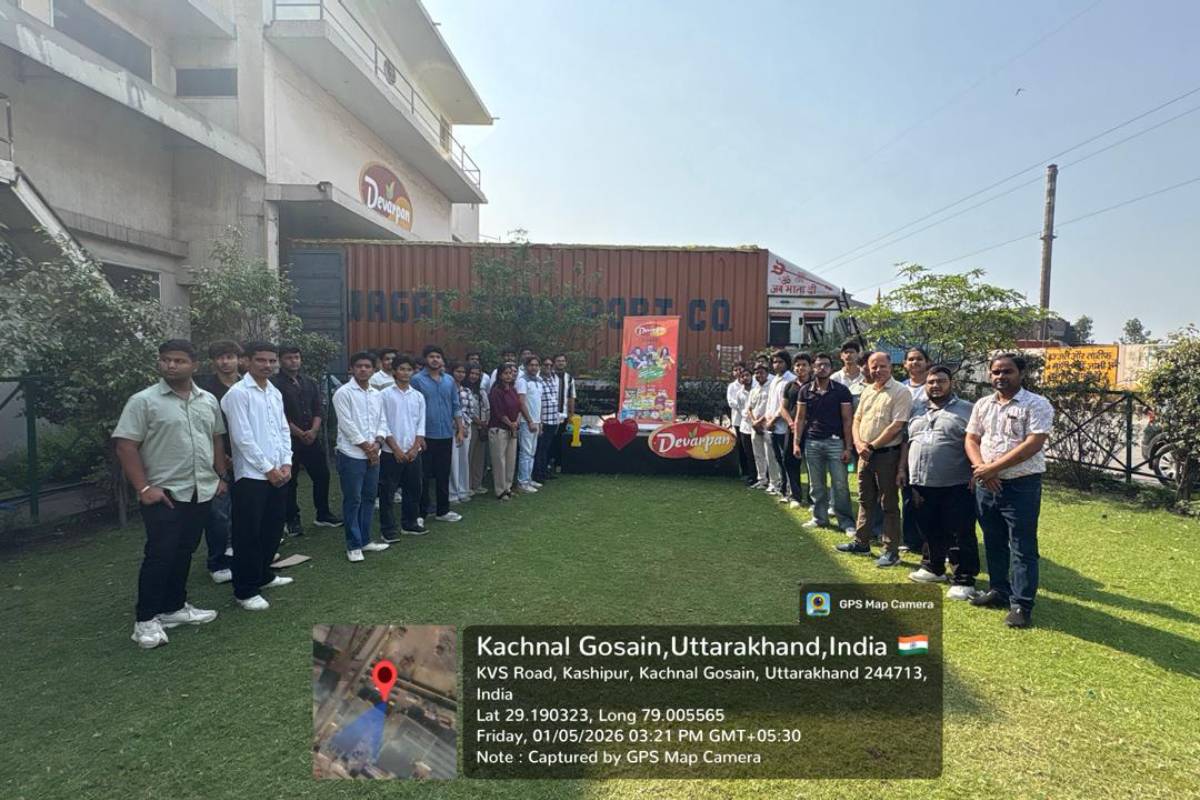
DOWNLOADS
|